
Random Video, Audio & Image Generator
Find and download random royalty-free media across video, audio, and images in one place.
Generate names, quotes, colors, passwords, avatars, addresses, and playful creative data instantly.
Randomness is deceptively hard to get right. Math.random() is fine for a coin flip but unacceptable for anything security-sensitive, and 'random' name or list pickers often have hidden bias that makes some outcomes far more likely than others. Our free random generators online use the right entropy source for each job — the browser's cryptographically secure crypto.getRandomValues() for passwords, tokens, and UUIDs, and unbiased shuffling algorithms for list pickers and team makers. Everything runs in your browser with no account and no data sent anywhere. The collection includes a strong password generator, RFC 4122 UUID generation, random number and string generators, list randomisers and winner pickers, dice and coin tools, and placeholder-data generators for testing. Where security matters, the tools say so explicitly and use a CSPRNG; where it doesn't, they prioritise speed and convenience.
Find and download random royalty-free media across video, audio, and images in one place.
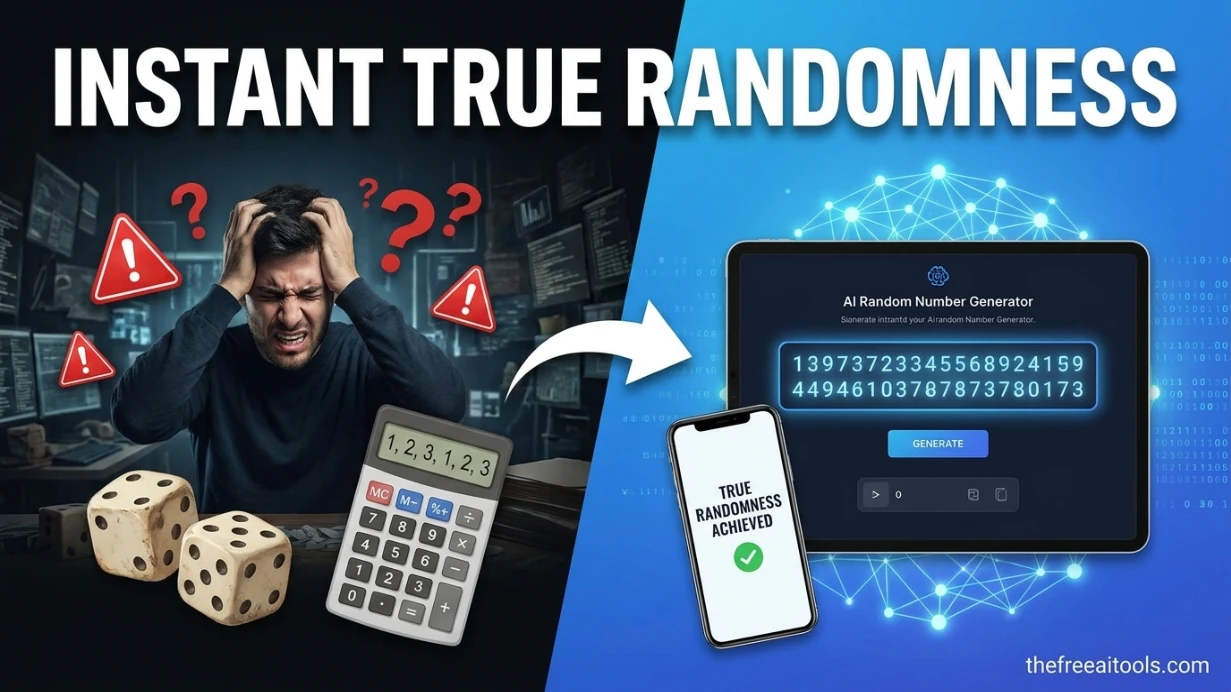
Generate integers or decimals within a custom range — fair random number picker for games and decisions.
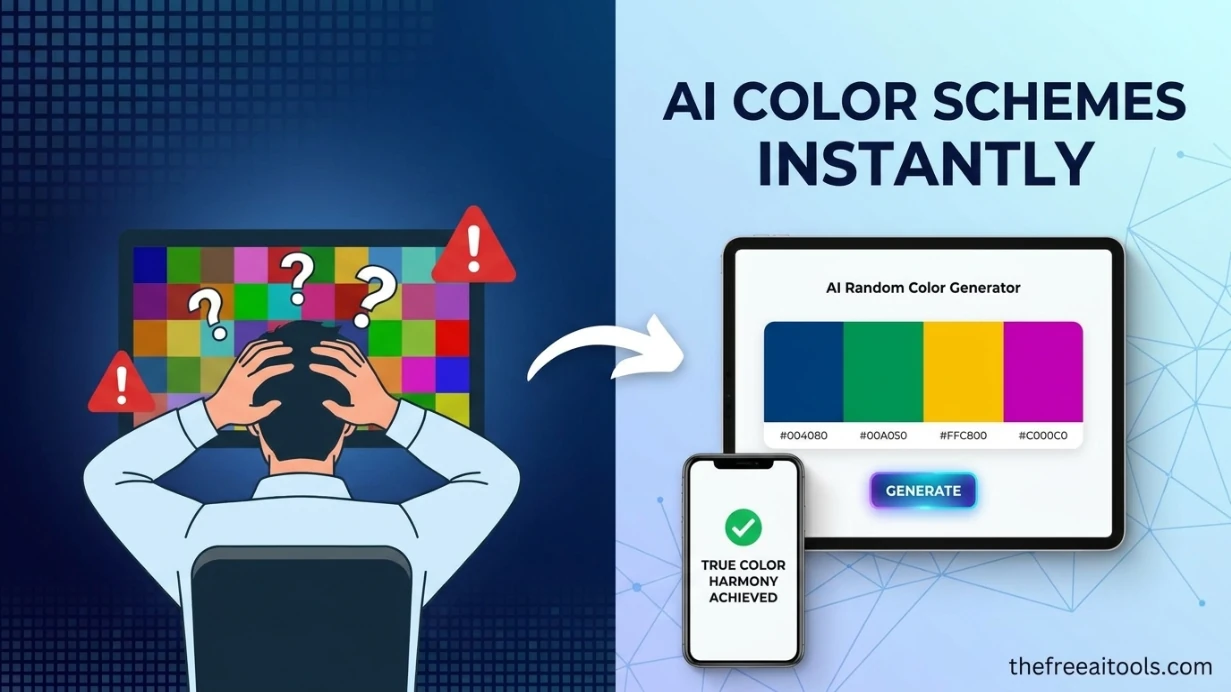
Generate random HEX and RGB colors with instant swatches — discover new palette combinations.

Generate first and last name combinations for mock data, fiction, and test environments.

Create plausible sample street addresses for demos, testing, and UI mockups.

Generate formatted sample phone numbers for test data, forms, and QA environments.

Generate Luhn-valid test card numbers for sandbox payment environments — not for real transactions.

Create simple SVG identicon-style avatars from a seed — unique profile pictures for any user.

Generate emoji mixes for reactions, bios, social posts, and fun prompts — randomize your expression.
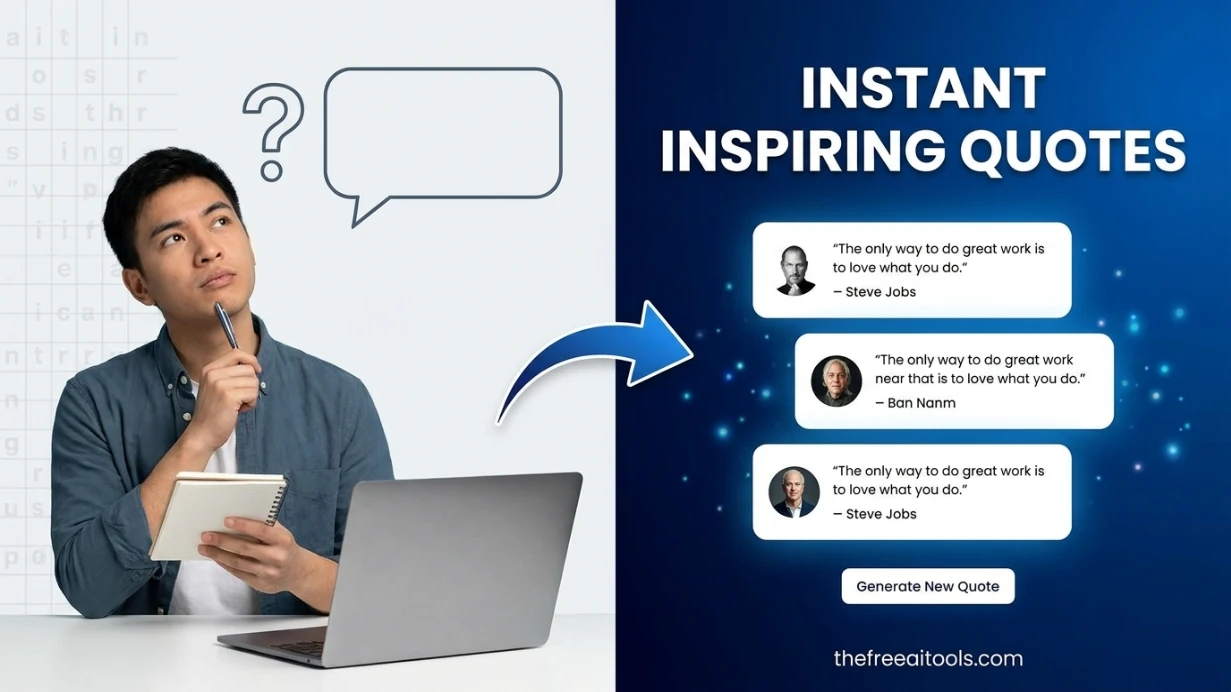
Pull inspirational, motivational, and practical quotes for content, presentations, and daily reflection.
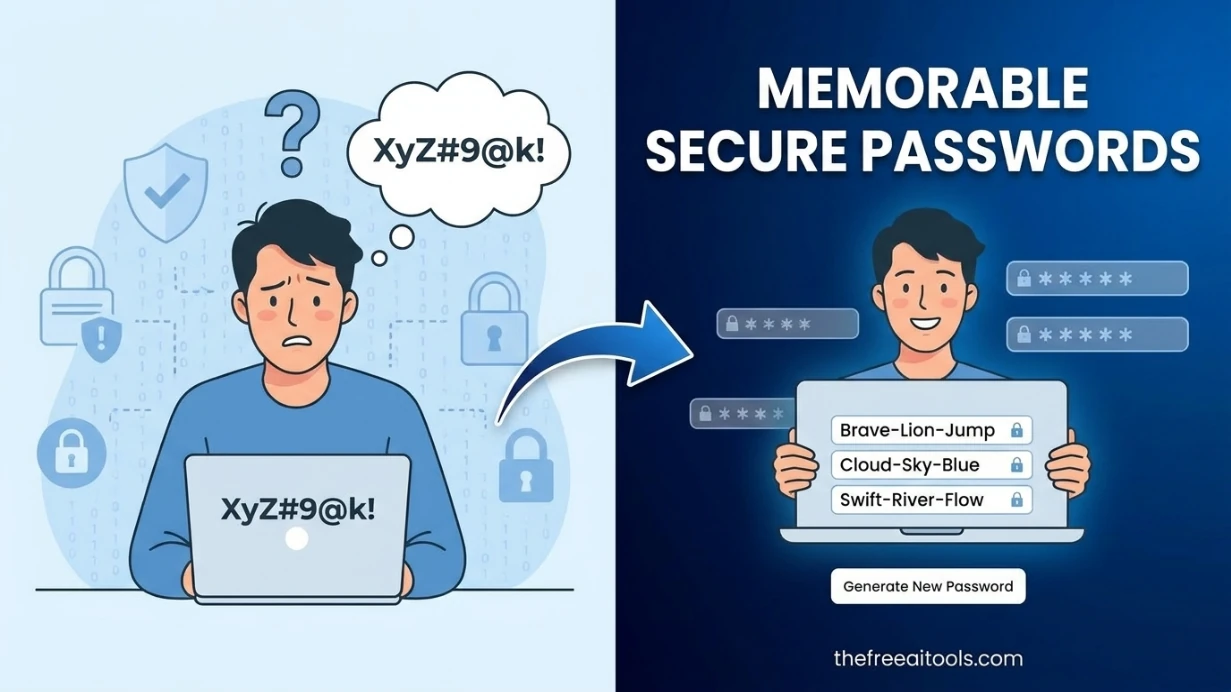
Generate strong but memorable password phrases built from pronounceable syllable chunks.

Flip a virtual coin and track heads-versus-tails results — random decision tool for games and choices.
Generate randomized Catan-style resource hexes and number tokens for fast board setup, balanced starts, and replayable tabletop sessions.
Generate original Rex-style character names, powers, hooks, and sci-fi concept notes for roleplay, comics, and writing.
Generate random movie titles, loglines, genres, plot beats, and watch-party prompts for instant film inspiration.
Generate high-entropy passwords, API keys, and secrets using crypto.getRandomValues(), the same cryptographically secure source production libraries use. A 16-character password with mixed case, digits, and symbols carries roughly 96 bits of entropy — far beyond brute-force reach.
Create UUID v4 identifiers for database keys, generate mock data to populate test fixtures, and produce random strings for fuzz testing. UUID v4 collision probability is negligible: you would need to generate 2.7 billion per second for 100 years to reach a 50% chance of one collision.
Pick contest winners, shuffle a list, or split people into teams using an unbiased Fisher-Yates shuffle so every arrangement is equally likely. This matters for fairness — naive shuffles based on sorting with a random comparator are measurably biased.
Roll dice, flip coins, draw a random card, or pick a random item from a list for games, teaching, and tie-breaking. The dice and coin tools use the same uniform random source so each face is genuinely equally likely.
Yes. The password and token generators use the browser's crypto.getRandomValues() API, which is a cryptographically secure pseudo-random number generator (CSPRNG). This is fundamentally different from Math.random(), which is predictable and must never be used for anything security-related.
UUID v4 values contain 122 bits of randomness, giving about 5.3 x 10^36 possible values. The probability of a collision is so small that for practical purposes UUIDs can be treated as globally unique without a central authority coordinating them.
Yes. The shuffler uses the Fisher-Yates (Knuth) algorithm, which produces every possible ordering with equal probability. This avoids the subtle bias of shuffling by sorting with a random comparator, which skews results toward certain arrangements.
Yes. The random number generator lets you set minimum and maximum bounds (inclusive), choose integers or decimals, and optionally generate multiple values at once with or without duplicates — useful for lottery-style picks where each number must be unique.
No. Every value is generated locally in your browser and never transmitted to a server. This is essential for the password and secret generators — a generated credential that traveled over the network would no longer be secret.
UUID v4 is fully random. UUID v7 is time-ordered — it embeds a millisecond timestamp in the high bits, so v7 values sort chronologically. v7 is increasingly preferred for database primary keys because sequential values reduce index fragmentation compared with fully random v4.
Hand-picked sets of free tools and guides related to random generators.
224+ browser-based tools across 13 categories — all free, no sign-up required.